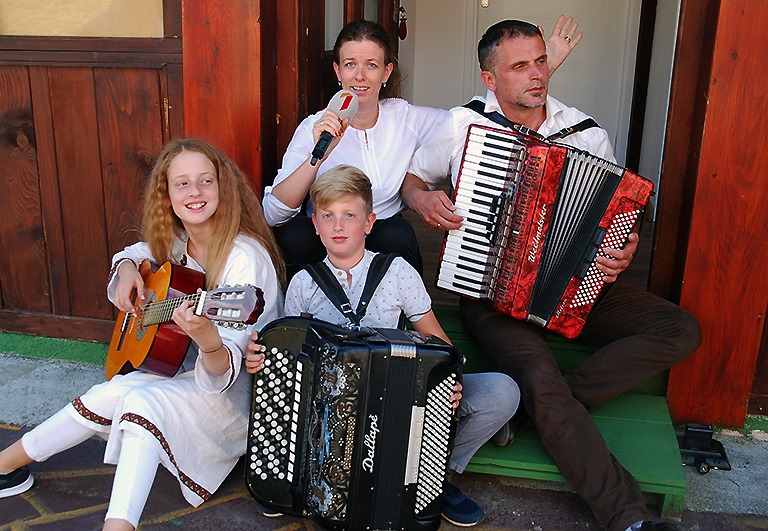
A living cultural tradition where guests become part of the celebration
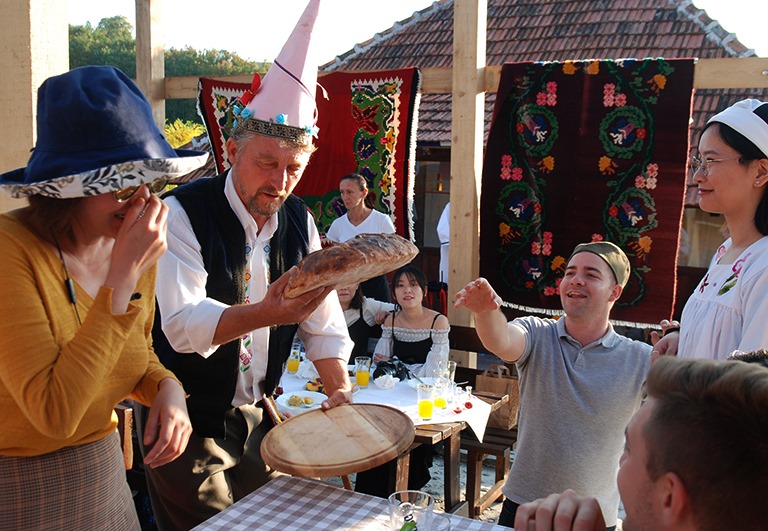
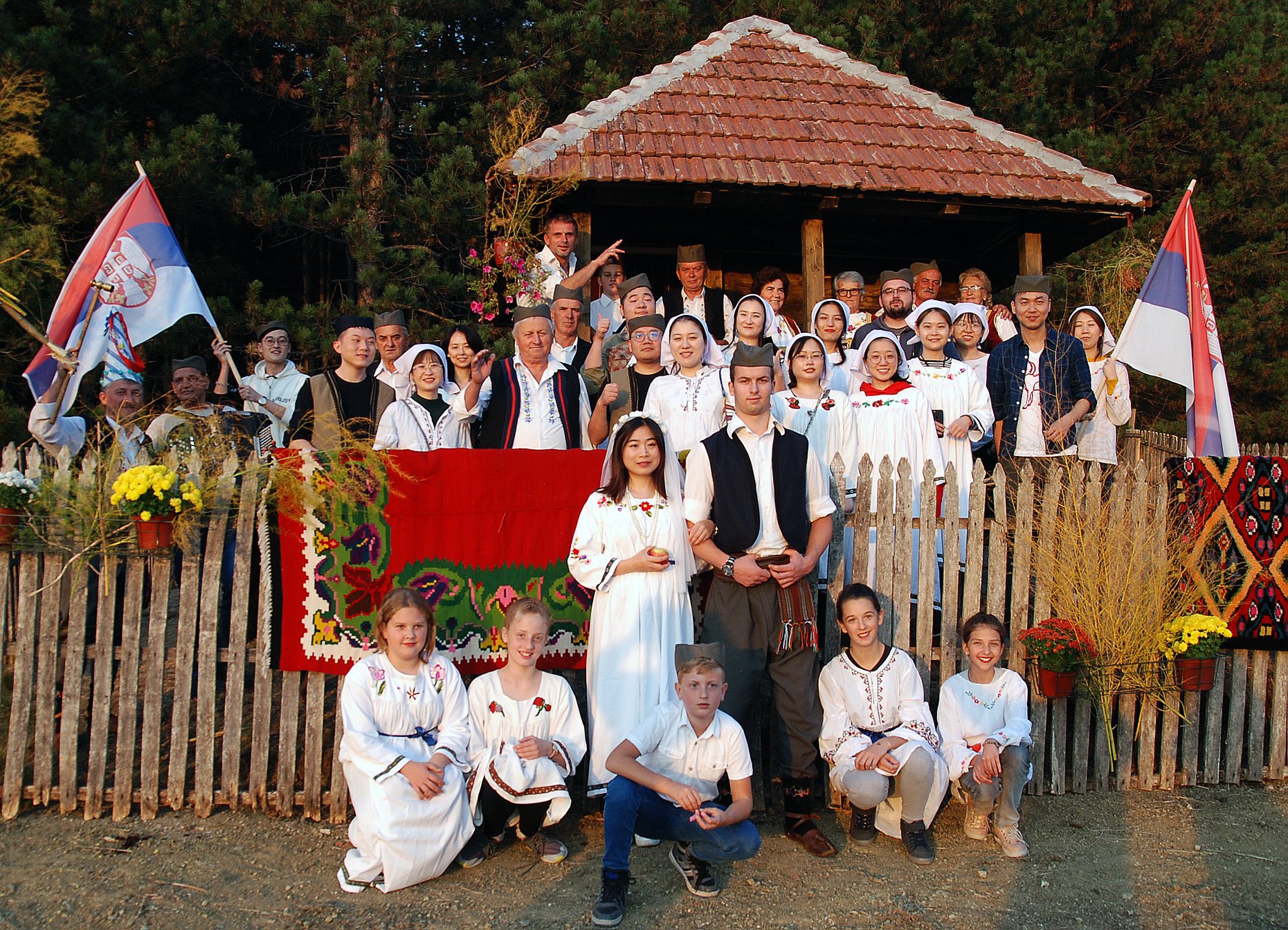
Here, you don’t just watch a wedding – you become part of it. Through authentic wedding customs, music, dance, and rituals, participants choose the bride, groom, and all key roles themselves — parents, siblings, relatives, and wedding guests. Together, you take part in traditions that have been passed down through generations in this region, not as spectators, but as active participants in a living cultural experience.
“Join the experience with a group of 10 or more participants – choose your bride, groom, and all the key roles, and become part of a living Serbian wedding celebration!”
What You Will Experience This experience is based on authentic traditional Serbian wedding customs, as they were lived and celebrated in rural communities for generations. In Serbia, a wedding has always been one of the most important social events – a gathering of the whole community, where music, dance, food, rituals, and shared values come together. We initiate and guide the wedding from beginning to end, following the real traditional order of events. Guests arrive as wedding guests and immediately become part of the celebration through music, dance, traditional clothing, and participation in the rituals. The wedding includes key customs such as the welcoming of guests, symbolic games and rituals, the journey to the bride’s home, ceremonial negotiations and gift-giving, and a shared festive meal. Each custom has its own meaning, which is explained to guests in a clear and accessible way. This is not a passive performance where you sit and watch. Guests are active participants, while everything is safely guided and well-organized. No one is actually married unless it is specially arranged in advance – the focus is on experience, understanding, and emotional connection. Through this program, we preserve and share the culture of everyday life, social values, and authentic traditions of Serbian village weddings, transforming them into a meaningful and unforgettable travel experience.
Čauš – Master of the Ceremony
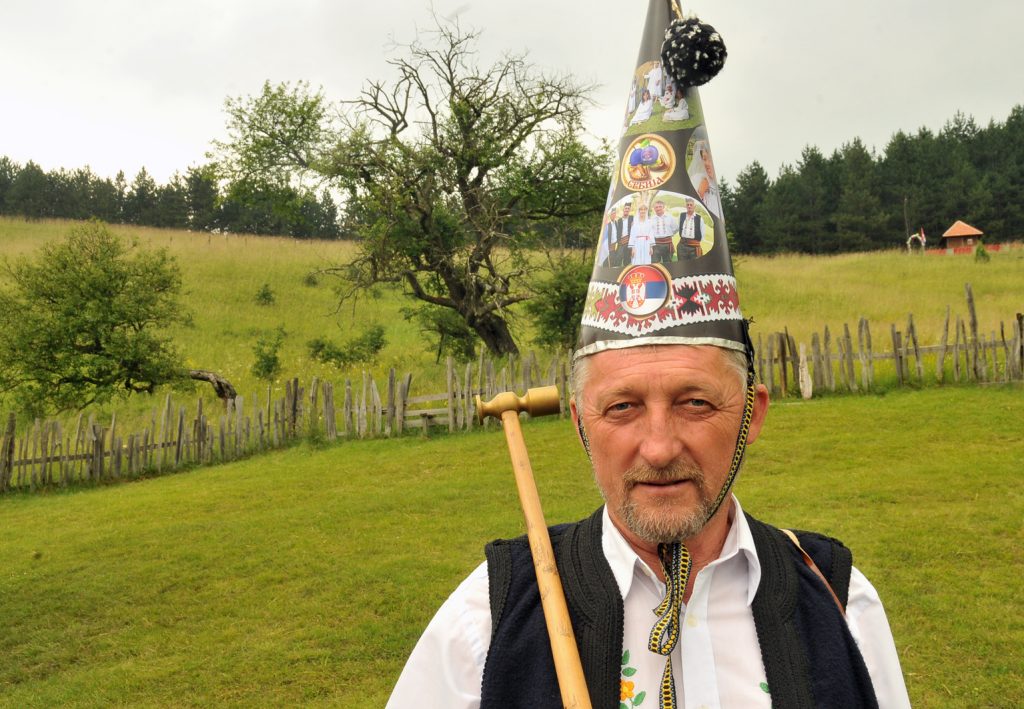
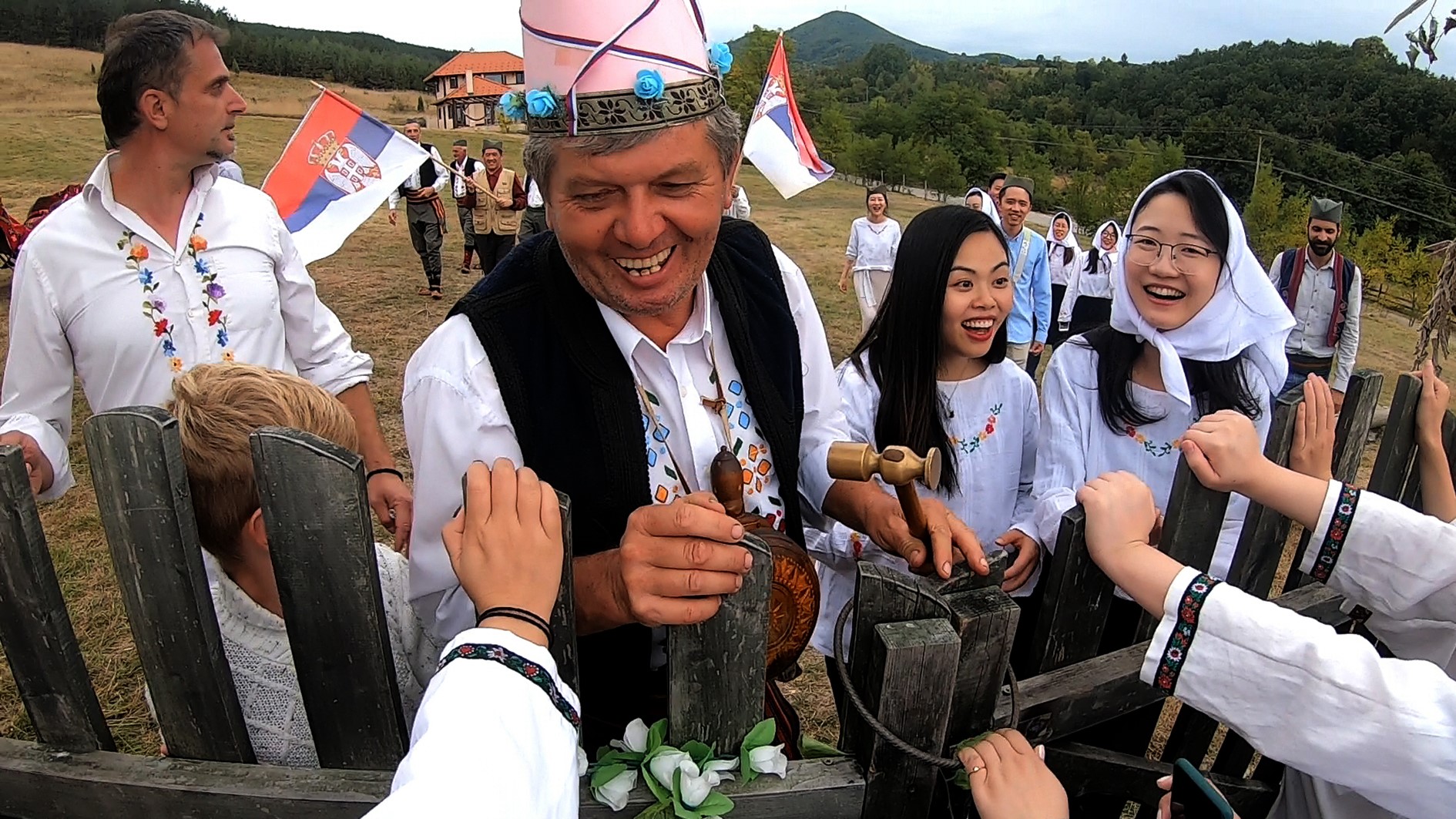
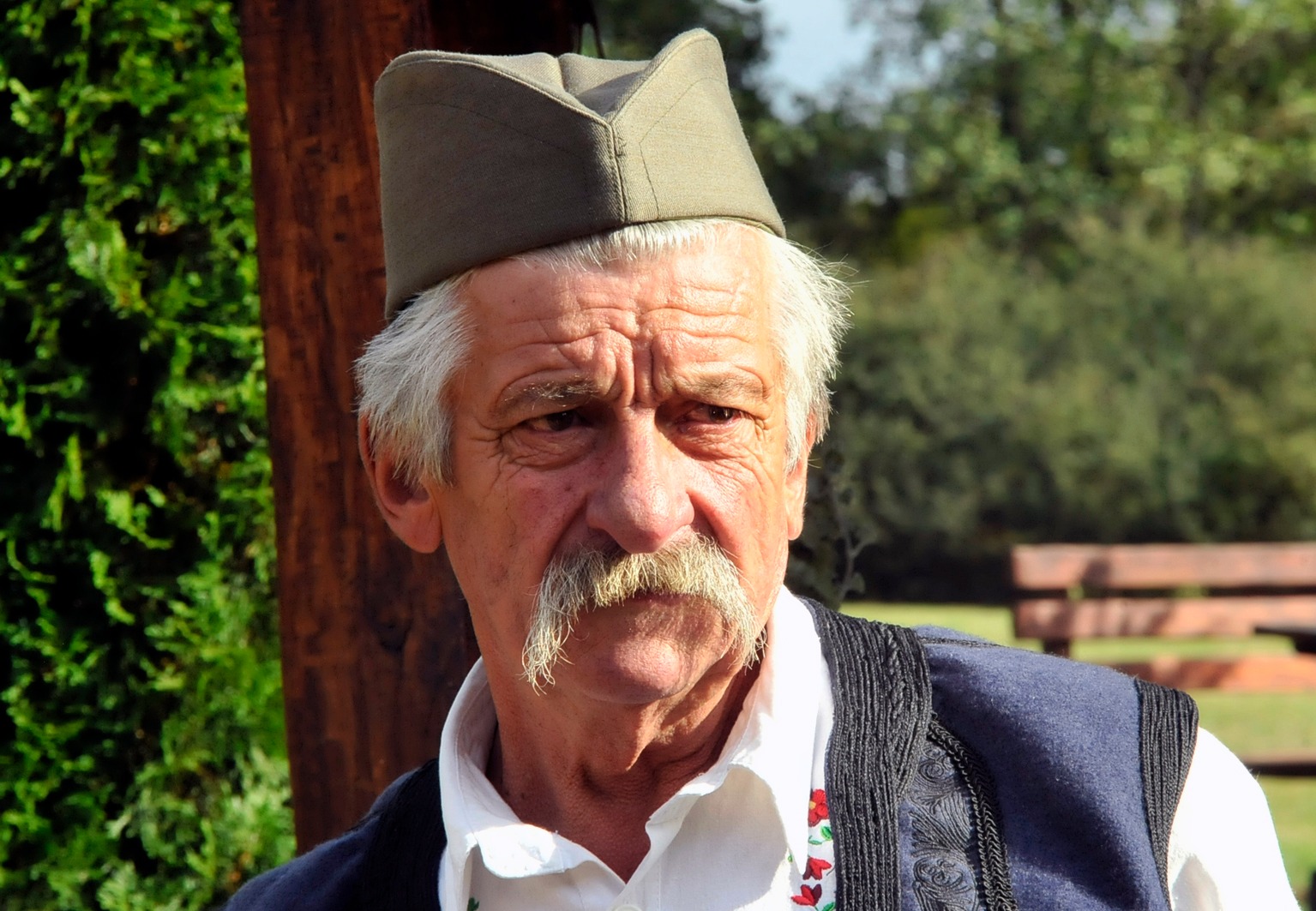
At the very beginning of the wedding, guests are welcomed by the Čauš – the master of the ceremony, appointed by the host, traditionally the groom’s father. Acting in his name, the Čauš leads the entire wedding procession and oversees the order of events.
He knows every custom, ritual, and sequence of the traditional Serbian wedding. When the Čauš announces that the wedding is about to begin, everyone knows what follows. He explains the rituals, their symbolism, and the meaning behind each moment, guiding the celebration from start to finish.
In cooperation with guides and translators, the Čauš ensures that all guests understand what is happening and why. In a traditional wedding, he is the central authority – the one who leads, organizes, and maintains order.
Arrival of the Guests and Festive Welcome
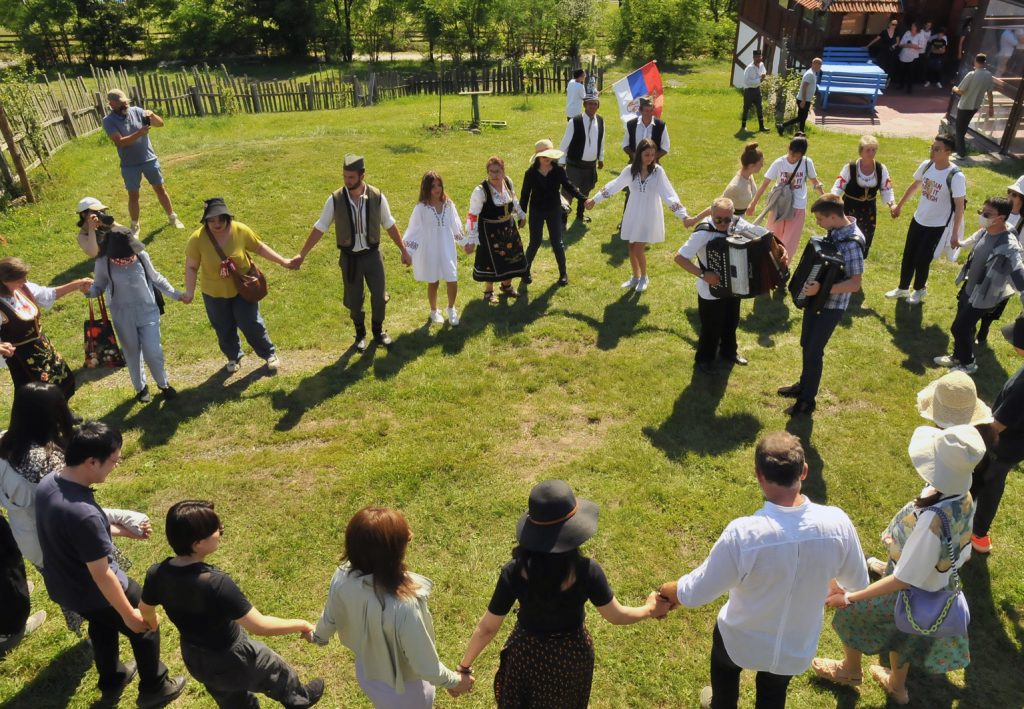
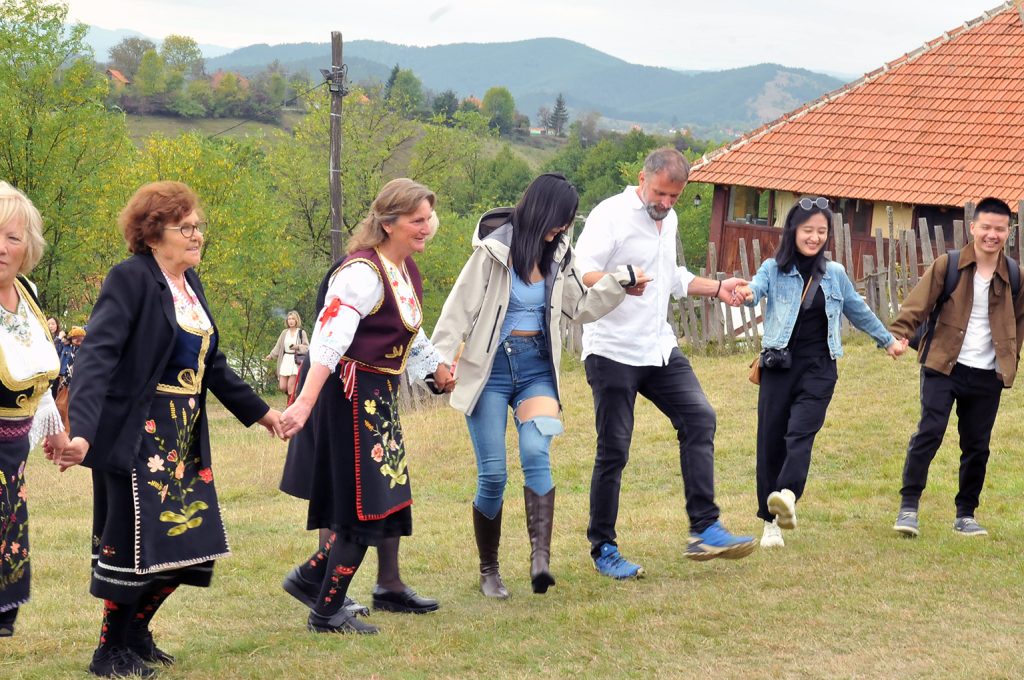
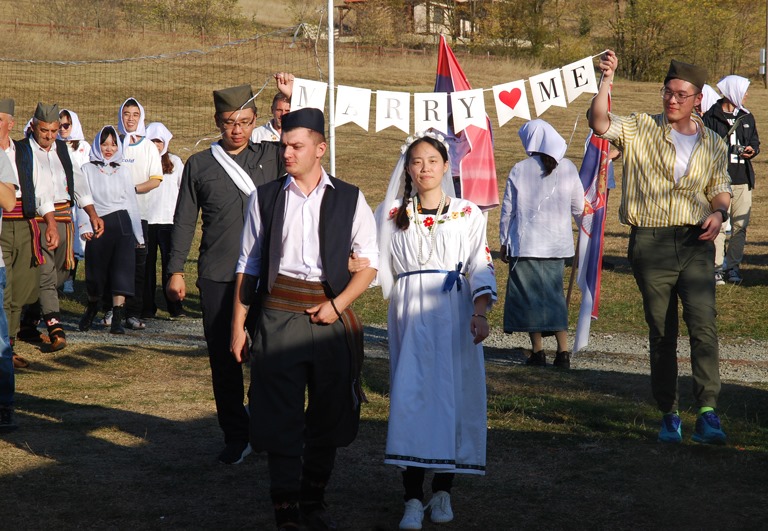
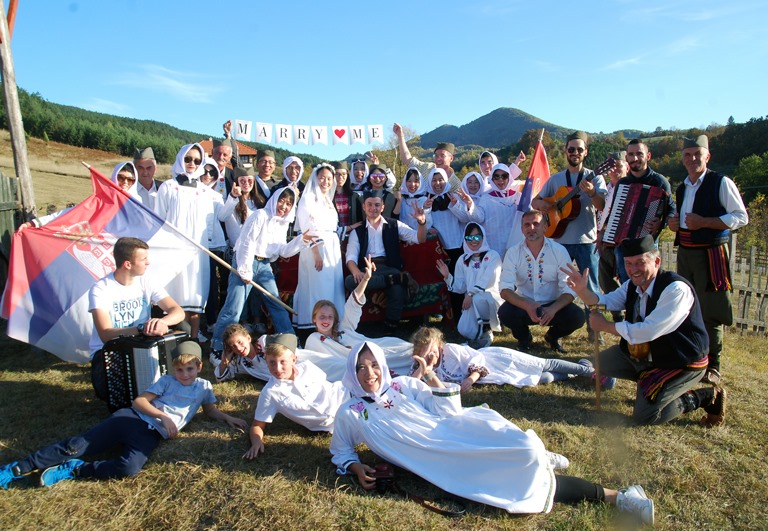
Guests arrive by bus and are immediately welcomed with traditional circle dancing (kolo), live music, singing, and a powerful emotional atmosphere. The welcome is joyful, loud, and open, inviting guests to relax and become part of the celebration from the very first moment.
Traditional flags are displayed, including the flag of the guests’ home country. The sound of ceremonial gunfire (using replicas) and firecrackers recreates the authentic wedding atmosphere once common in Serbian villages.
Photo placement: bus arrival, kolo dance, flags, emotional reactions.
Preparation and Group Organization
After the welcome, the group prepares for the next stages of the wedding. Tourist groups usually consist of 20 to 40 guests, joined by 12 to 20 local actors and performers, depending on group size.
At this stage, guests are introduced to the basic flow of the wedding and the roles they will take part in during the experience.
Singing & Traditional Welcome Songs
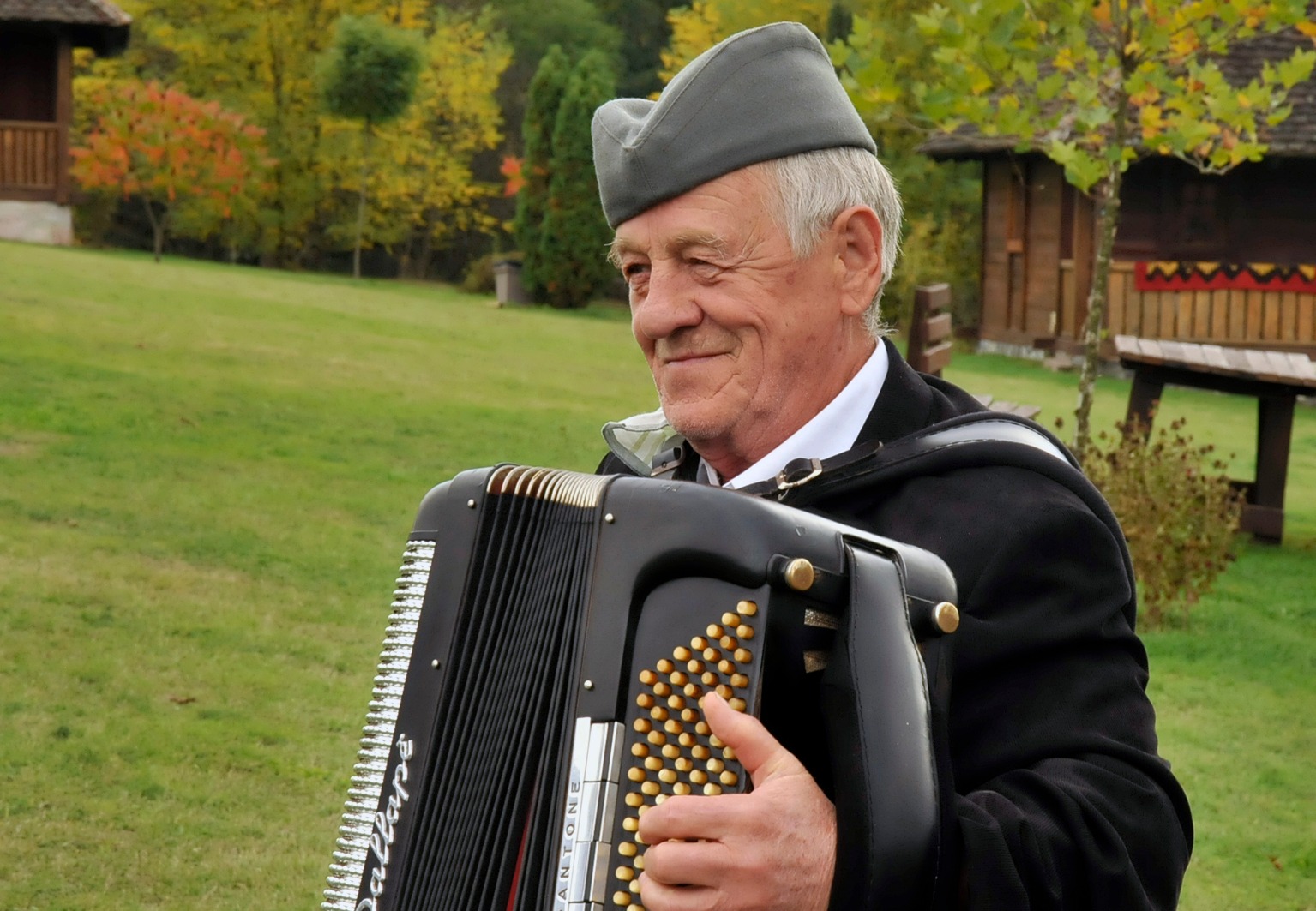
Before costumes are distributed and roles assigned, a traditional singing group performs wedding and welcoming songs. Although most guests may not understand the lyrics, the emotion, melody, and vocal energy clearly convey the spirit of the celebration.
This moment represents the first deep encounter with Serbia’s intangible cultural heritage – traditional music, vocal styles, and collective expression.
Costumes & Role Assignment
The next step is dressing and assigning roles.
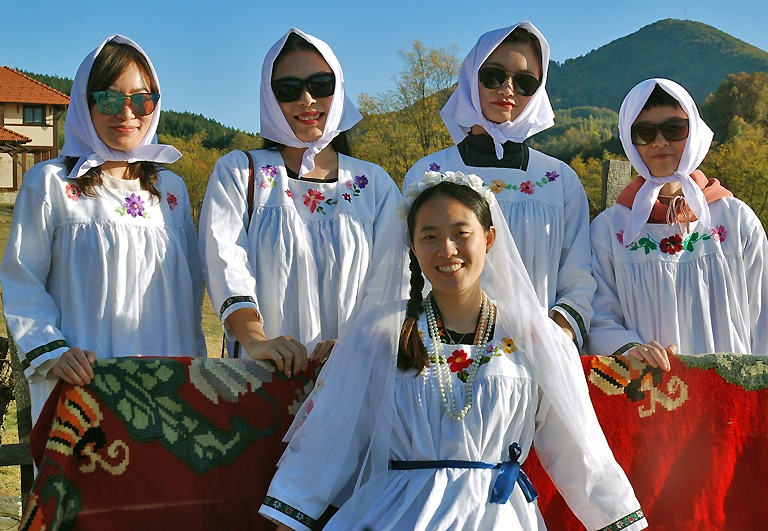
The main wedding participants – the bride, groom, parents, the bride’s brother, and her friends – receive full traditional Serbian costumes.
Other guests receive selected costume elements such as scarves, aprons, or traditional hats, allowing everyone to participate and take part in photos. In larger groups, special care is taken so that each guest receives at least one traditional detail.
Dividing into Bride’s and Groom’s Sides
After dressing, the group is divided into two sides:
the bride’s side
the groom’s side
The larger portion of guests (around 60%) remains with the groom’s side.
The bride, together with her parents, brother, friends, and selected performers, goes to her family home, where she waits for the wedding procession to arrive.
Journey to the Bride’s House & Apple Ritual
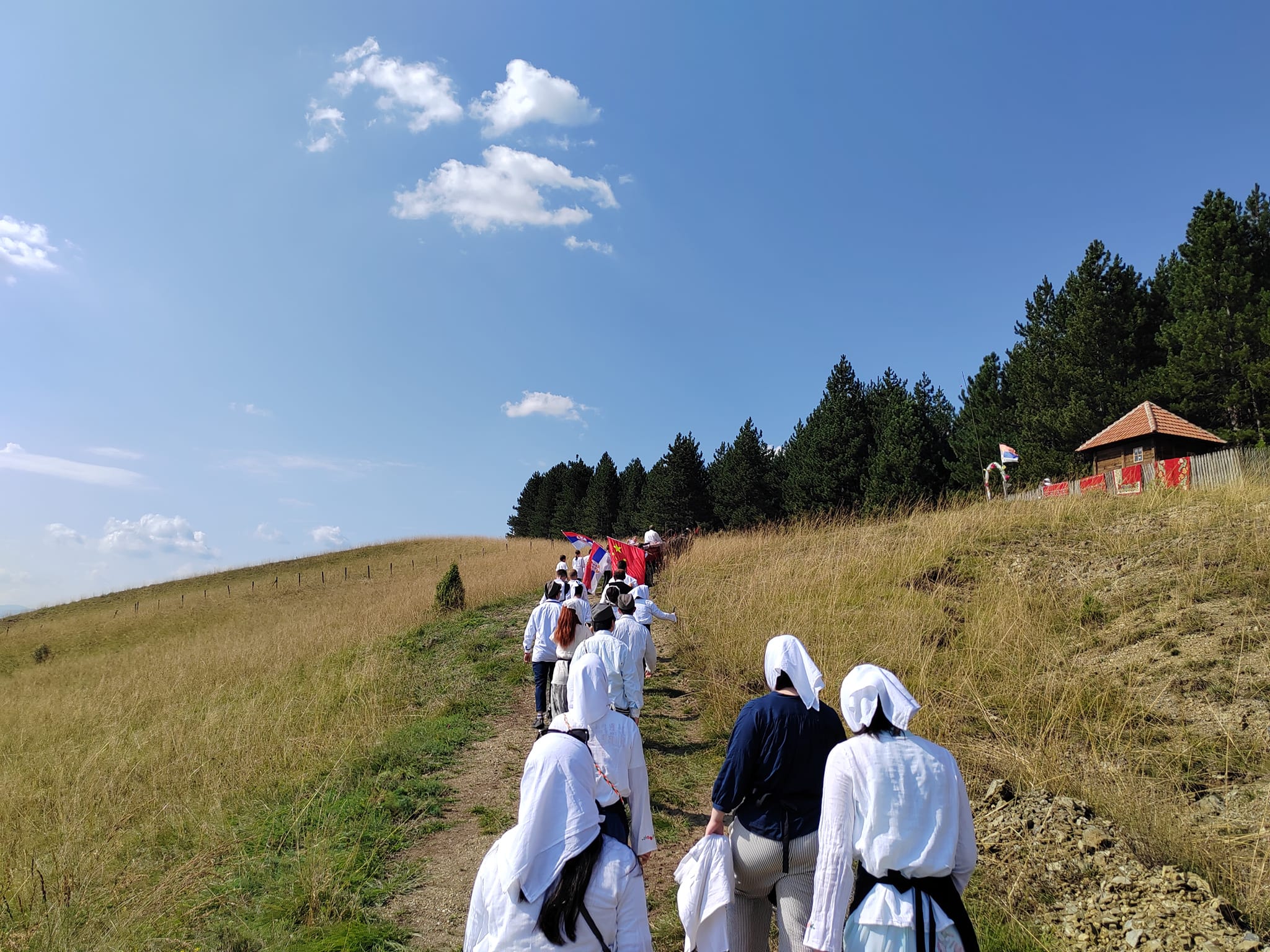
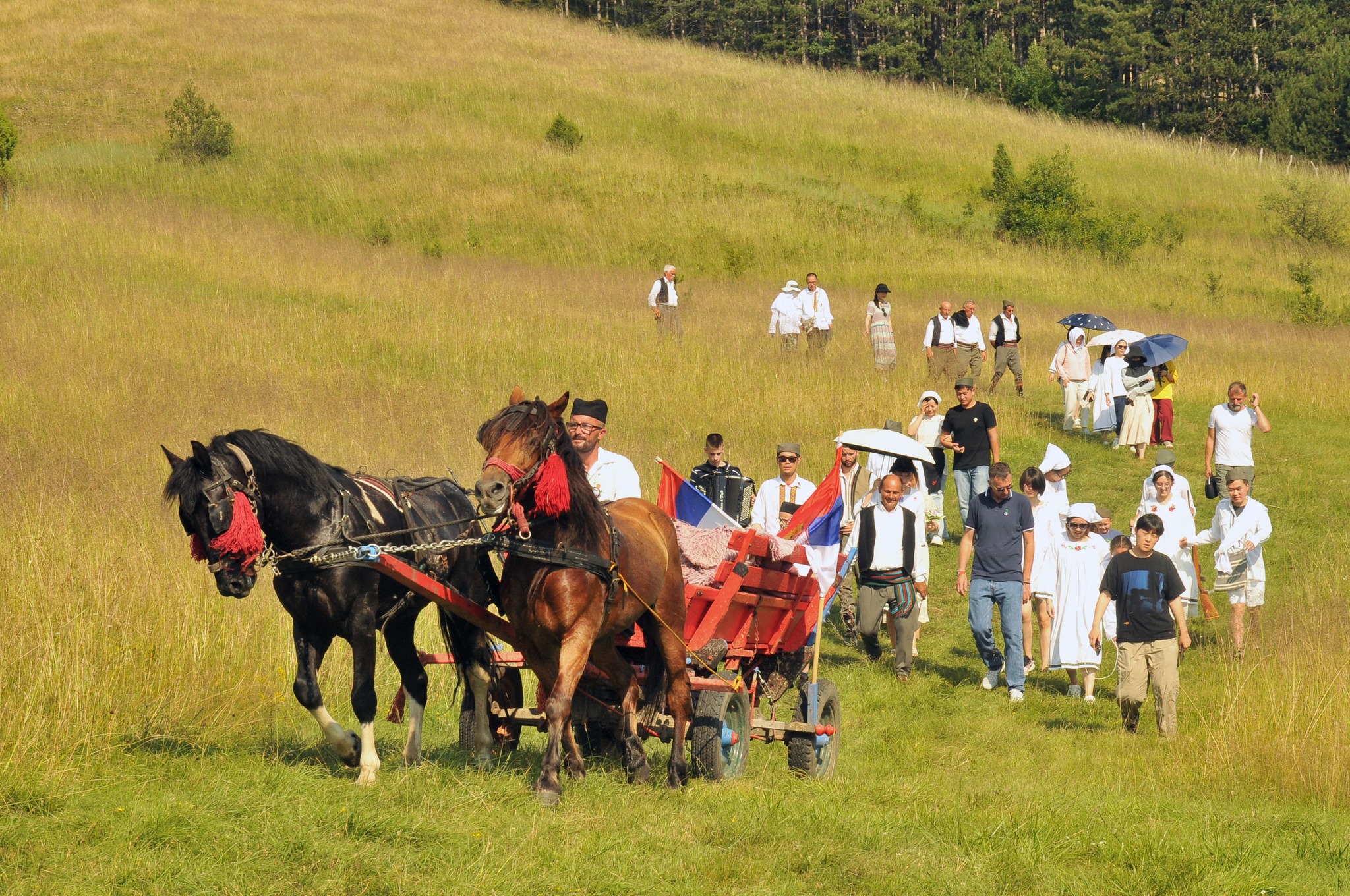
The wedding procession moves toward the bride’s home, accompanied by traditional music, singing, and symbolic movement.
At the bride’s gate, the groom must prove his strength and readiness by knocking down an apple placed high above the entrance. This ritual symbolizes fertility, maturity, and the ability to take responsibility for starting a family.
Bringing Out the Bride
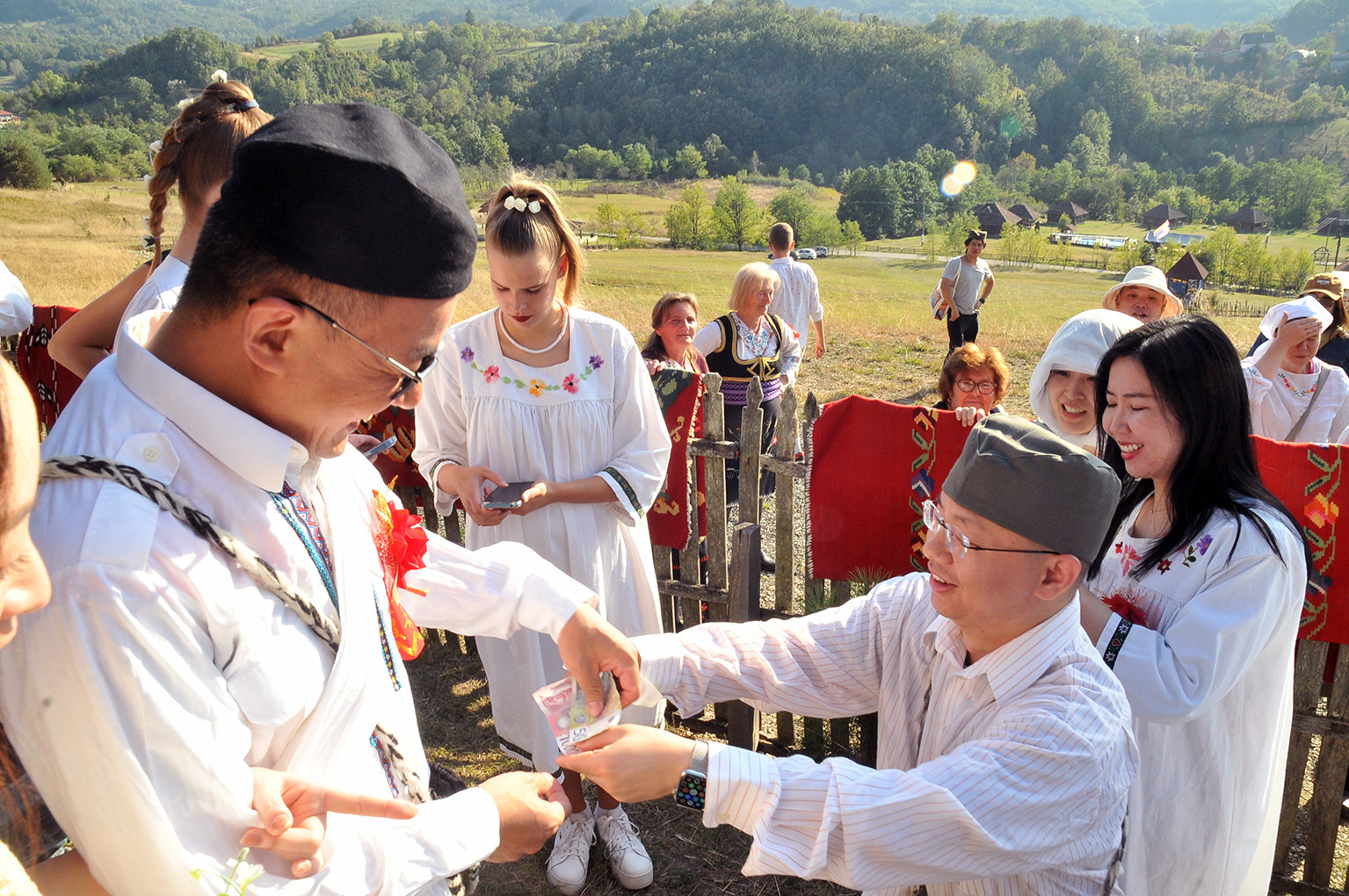
Bringing Out the Bride – After the groom knocks down the apple, the wedding guests enter the bride’s courtyard, where one of the most joyful and playful wedding rituals begins – the bringing out of the bride. Through song, laughter, and symbolic bargaining, the bride is ceremonially handed over from her family to the groom’s side.
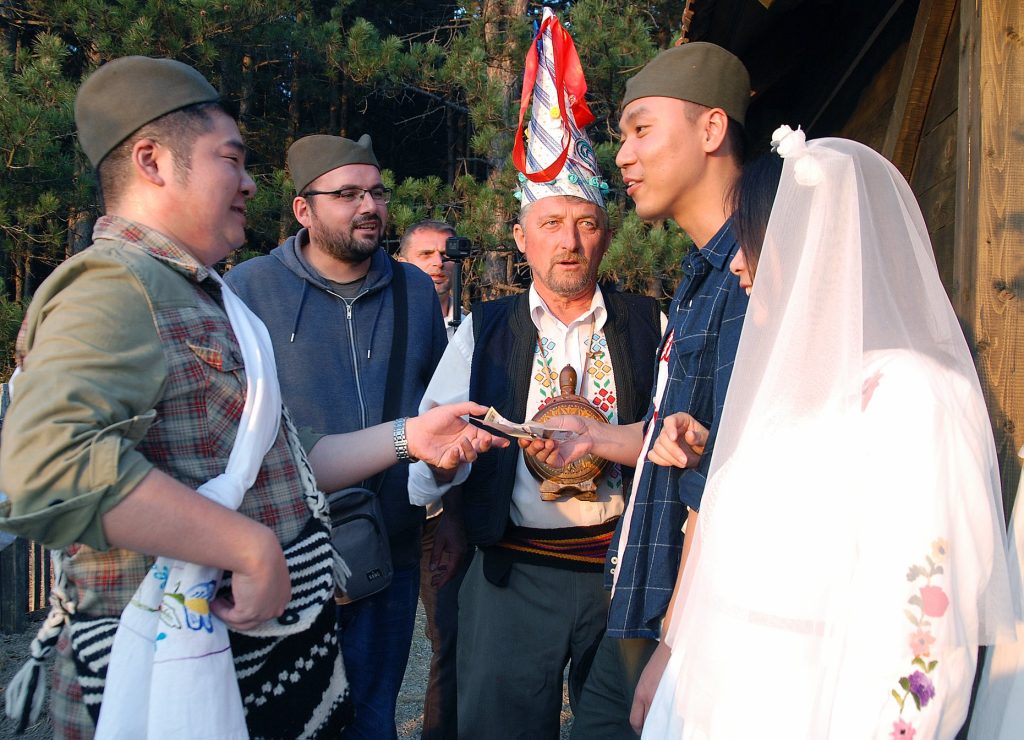
Bringing Out the Bride – Full Description (“Read more”) Once the apple has been knocked down, the guests enter the bride’s courtyard. Part of the wedding party gathers in front of the bride’s house, where the ceremony of bringing out the bride takes place, while the rest stand around, watching, singing, cheering, and taking part in the celebration. The groom’s brother stands in front of the door of the bride’s house, waiting for the bride’s brother to bring her out. The atmosphere is loud, joyful, and playful – there is singing, shouting, joking, and mock teasing. Today, this ritual is performed mainly for fun and entertainment, although in the past it carried a serious symbolic meaning. The bride’s brother then brings the bride out of the house and stands facing the groom’s brother. The groom’s brother asks for the bride to be handed over, but the bride’s brother refuses. The bride is his sister, someone he grew up with and a precious part of his family, and therefore she cannot be given away without symbolic compensation. A humorous bargaining begins. The groom’s brother offers money, bill by bill, but the bride’s brother rejects each offer, pretending to be offended and saying it is not enough. At times, he even threatens to take the bride back into the house. Only when the groom’s brother gives everything he has – including the entire bag with the money – does the bride’s brother finally accept. The two brothers then embrace and exchange kisses, sealing the agreement. The bride’s brother ceremonially hands his sister to the groom’s brother, who then passes her on to the groom. The bride and groom kiss, and the entire group erupts in cheering, singing, and celebration. A traditional circle dance (kolo) is played in the courtyard, marking the joyful conclusion of this ritual and the symbolic farewell to the bride’s parental home.
Water Ritual – Purification and a New Beginning
On the return journey, the procession stops at water – a spring, fountain, stream, or river.
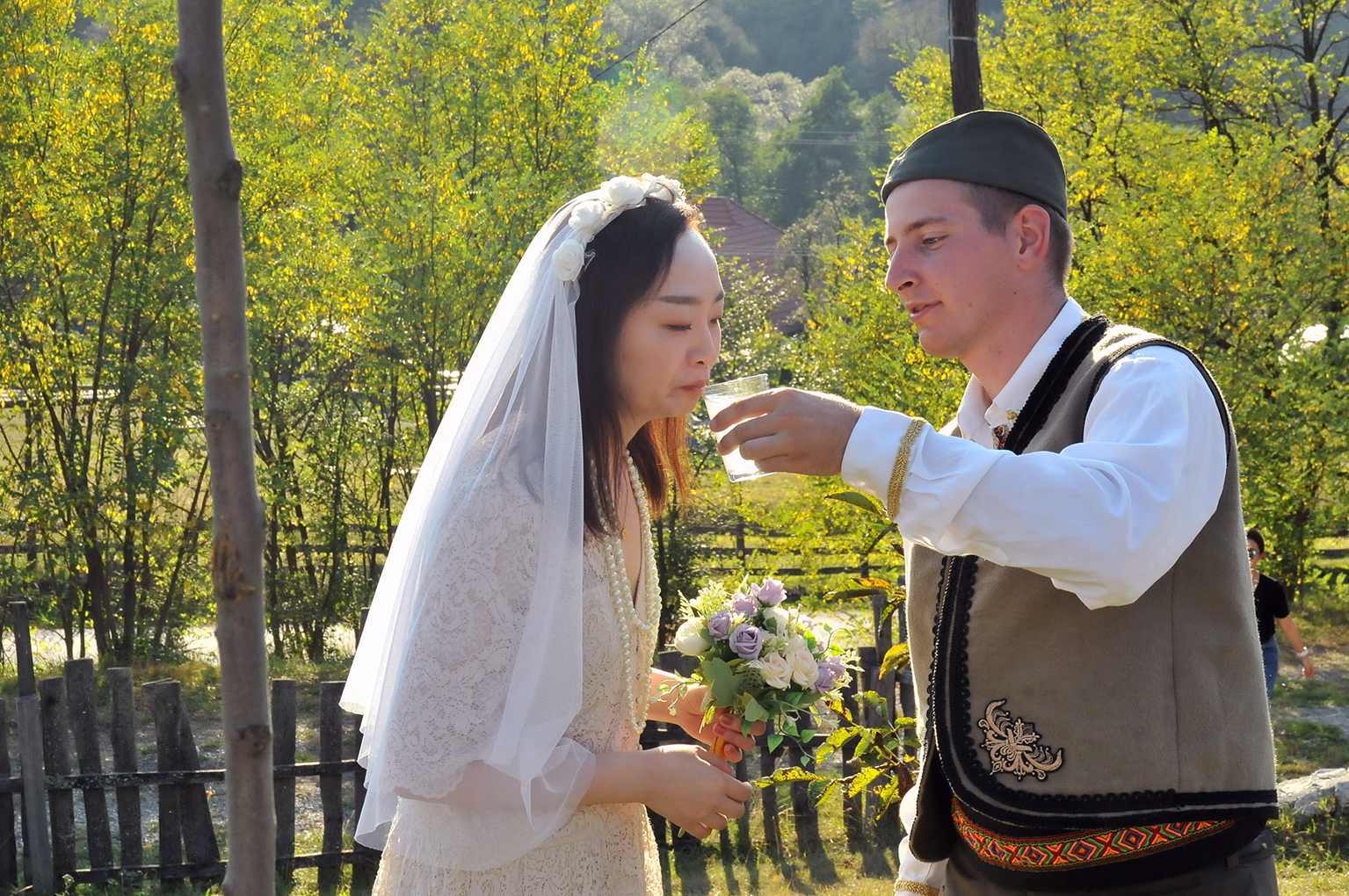
Water holds strong symbolic meaning. The bride washes her hands and face, symbolically cleansing herself of the past. The groom offers her a cup of water to drink, after which she throws the cup behind her.
This act represents leaving everything from her previous life behind and entering a new chapter, purified and ready for marriage.
Fertility Ritual in Front of the Groom’s House
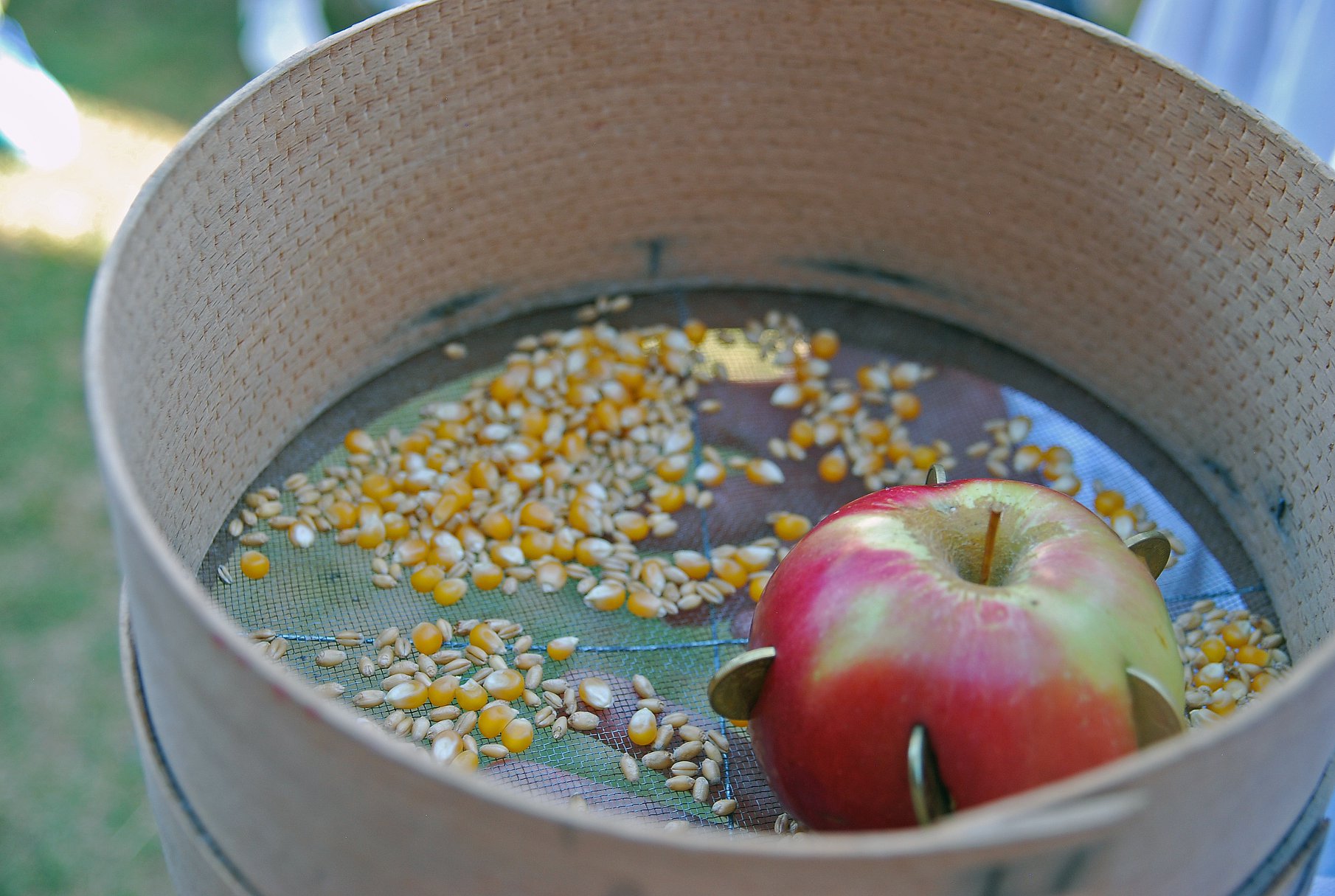
At the groom’s home, the bride is welcomed by the groom’s mother, holding a sieve containing grain and an apple decorated with money.
The apple symbolizes a wealthy and prosperous household. The bride throws it over the roof, bringing abundance into the home.
The grain represents fertility. When scattered across the roof, it symbolizes abundance and many children.
The groom then raises his arm, and the bride passes beneath it as she enters the house, symbolizing harmony, respect, and balance within the marriage.
Entering the "Vajat"
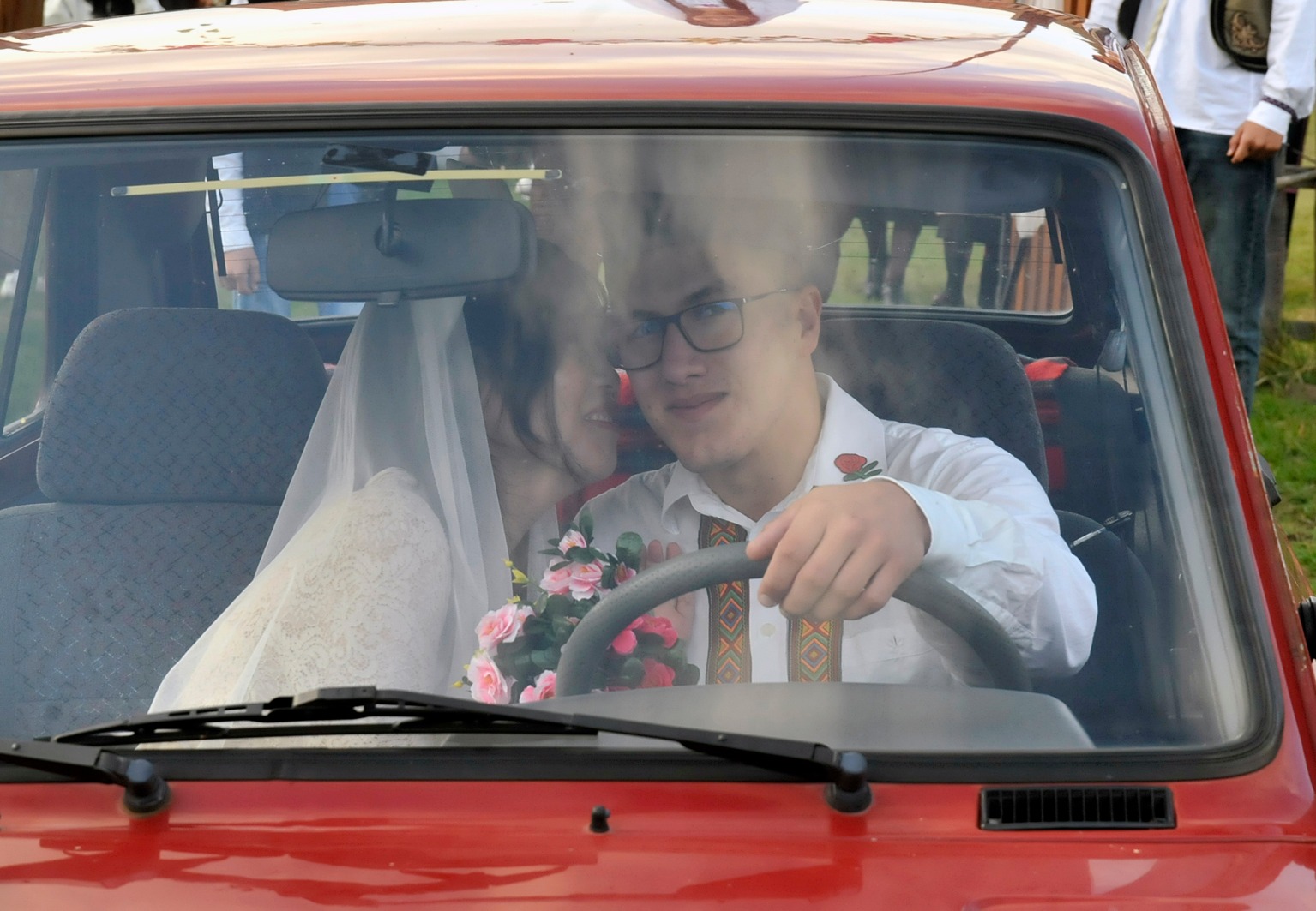
After all rituals are completed, the bride and groom enter their vajat – a traditional Serbian wooden room reserved exclusively for the newlyweds. The vajat symbolizes their new beginning, the place where they will build their life together and start a family.
Wedding Lunch
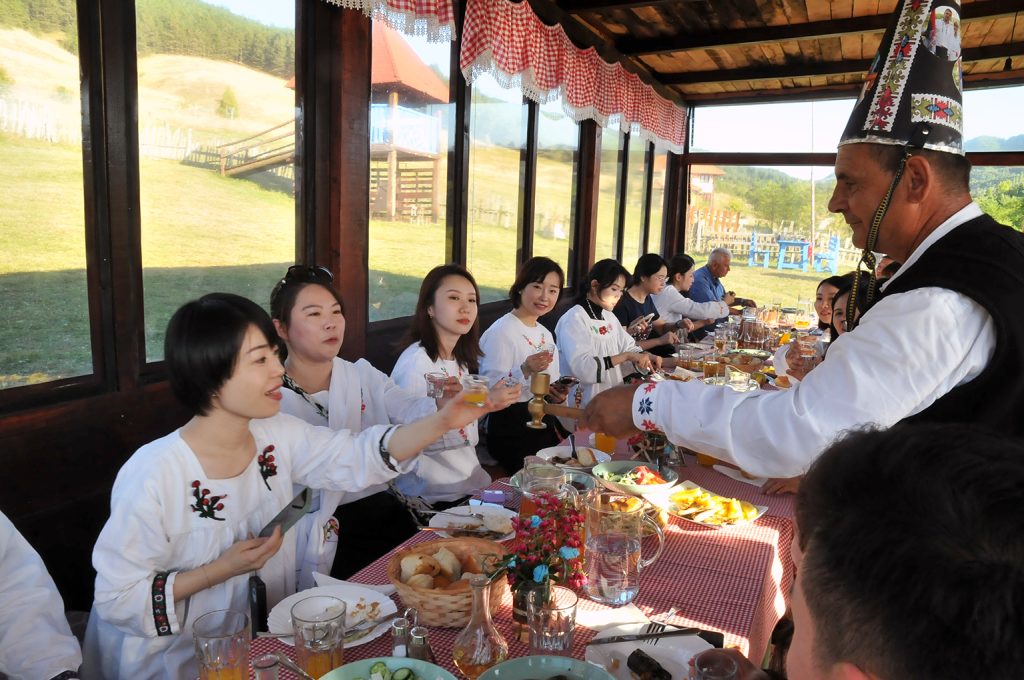
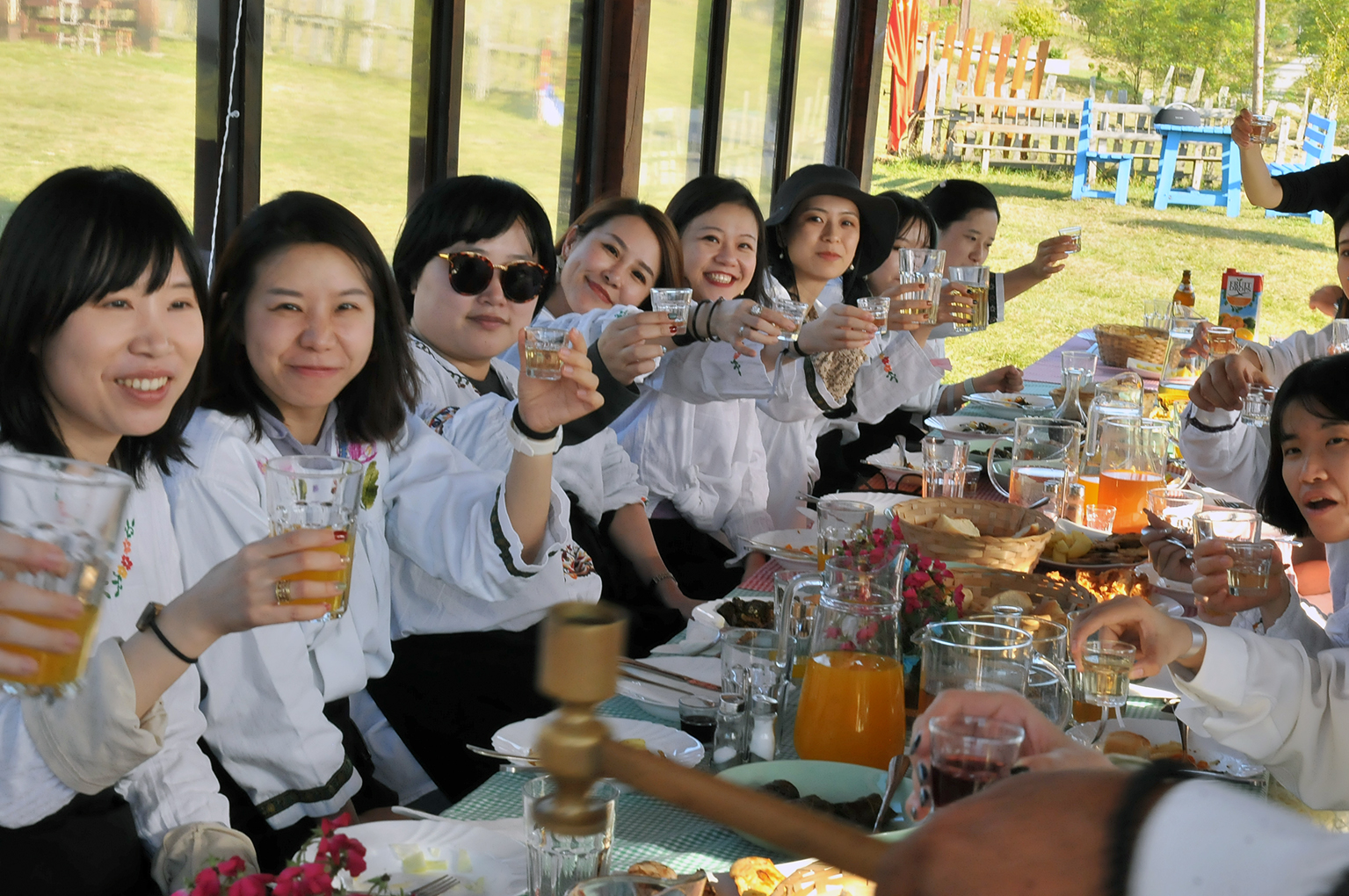
While the newlyweds remain in the vajat, guests are guided to the dining area. The Čauš, together with the hosts and staff, assigns seating. In a traditional Serbian wedding, seating reflects social and family importance – close relatives, godparents, brothers, uncles, and respected neighbors sit closest to the newlyweds’ place.
Once everyone is seated and everything is ready, the bride and groom enter the dining area. All guests stand to greet them, and only then does the wedding lunch begin.
The Čauš and the host give the signal to start the meal, welcoming everyone and inviting guests to eat, celebrate, and toast – traditionally saying that a wedding could last for days, as long as there is food, drink, and joy.
The Groom Who Does Not Eat and the Gift-Giving Ritual
As the celebration continues, one important custom stands out – the groom does not eat.
This is symbolic. By refusing food, the groom shows that he has come for the bride and now waits for her parents to formally gift him, as they are entrusting their daughter to him.
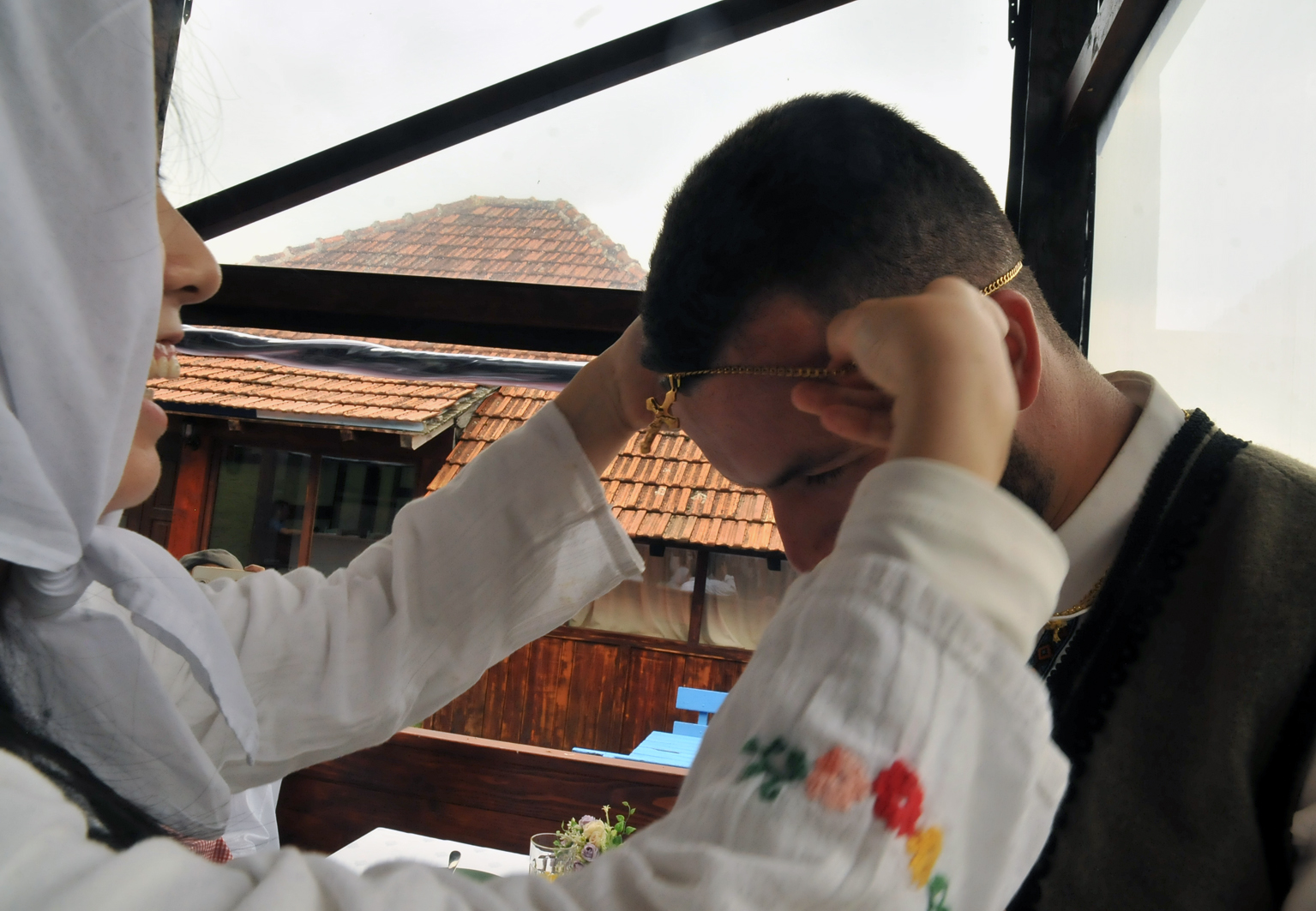
The bride’s mother approaches with honey and water, offering them to the groom. He politely refuses, following tradition. Then the gift-giving takes place: the bride’s mother presents the groom with a gold chain, traditionally large and valuable, symbolizing honor and acceptance into the family. The bride’s father adds a monetary gift.
Only then does the groom take a spoon of honey, marking the completion of the ritual. From that moment, he joins the celebration fully, eating, toasting, and celebrating with the guests.
The Friendship Bread – Uniting Two Families
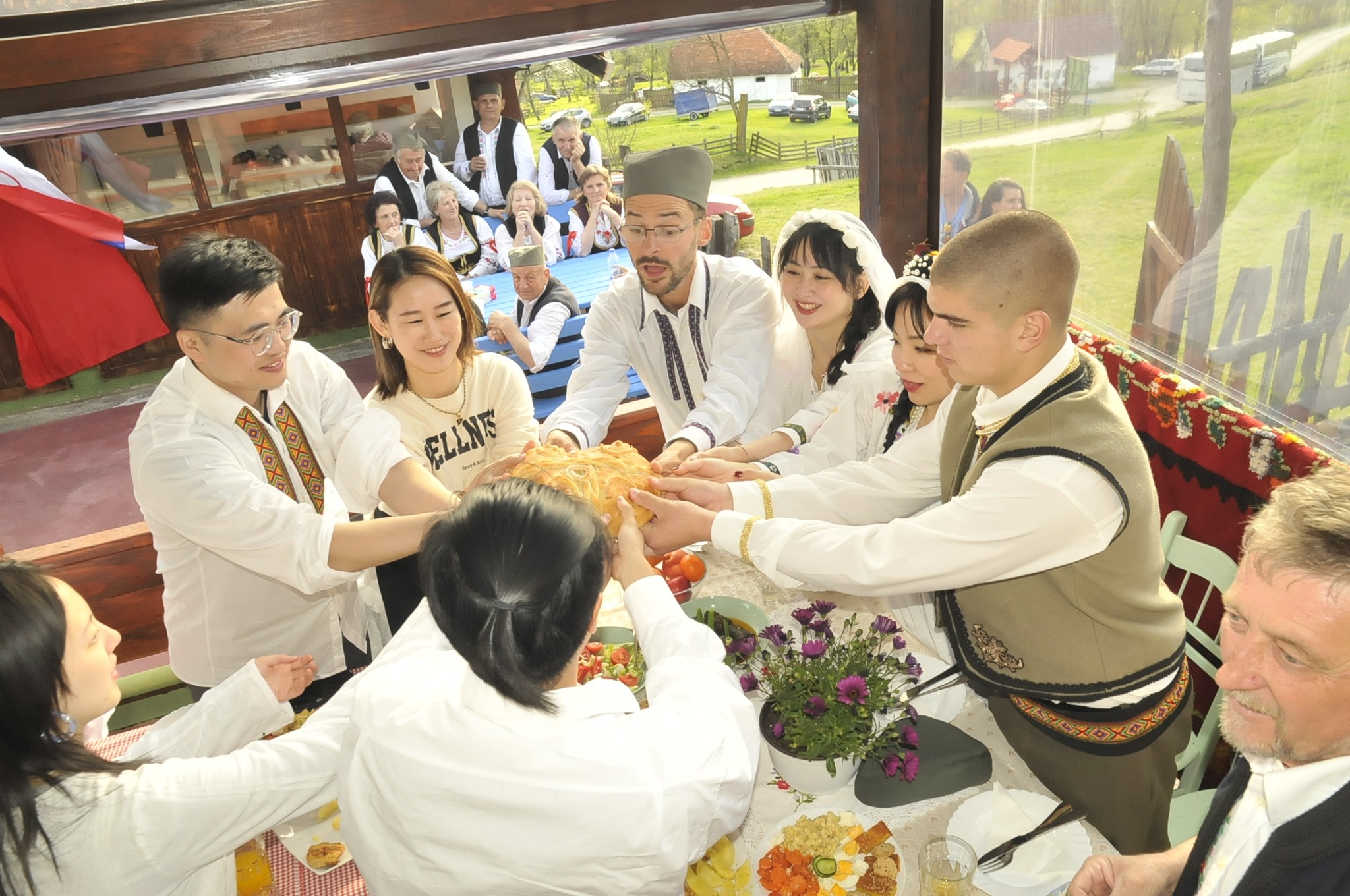
The final ritual is the breaking of the friendship bread, symbolizing the union of two families.
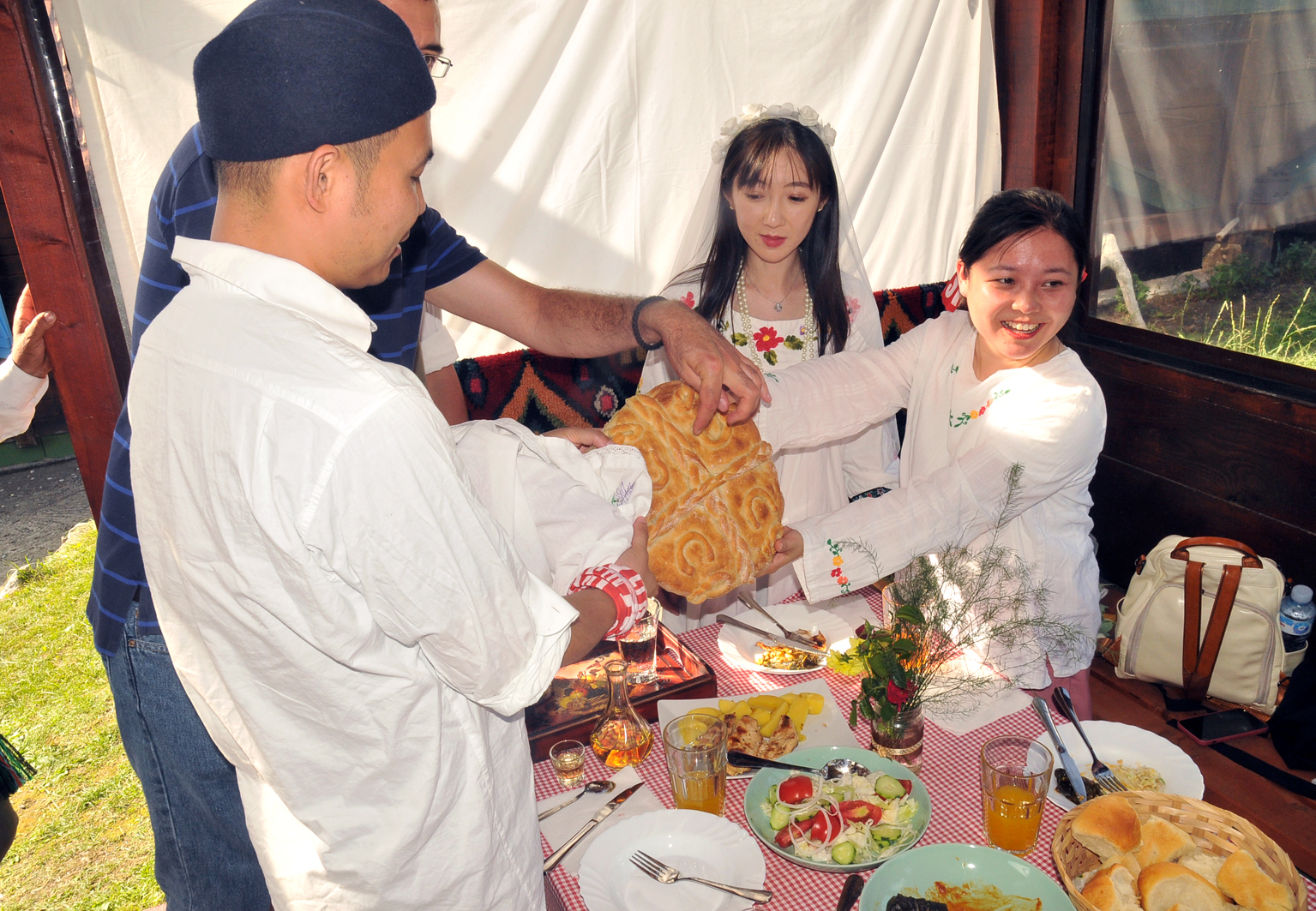
The parents of the bride and groom together hold a large round bread, traditionally called the friendship or ceremonial bread. They rotate it in a circle, then break it in half. This gesture symbolizes sharing one bread, one destiny, and becoming a single family.
After breaking the bread, the parents kiss, publicly confirming their new bond as family and friends.
With this ritual, the traditional wedding customs conclude. The celebration then continues freely with music, dancing, photography, and songs – both Serbian and international – according to guests’ wishes.
Photography, Memories, and Program Conclusion
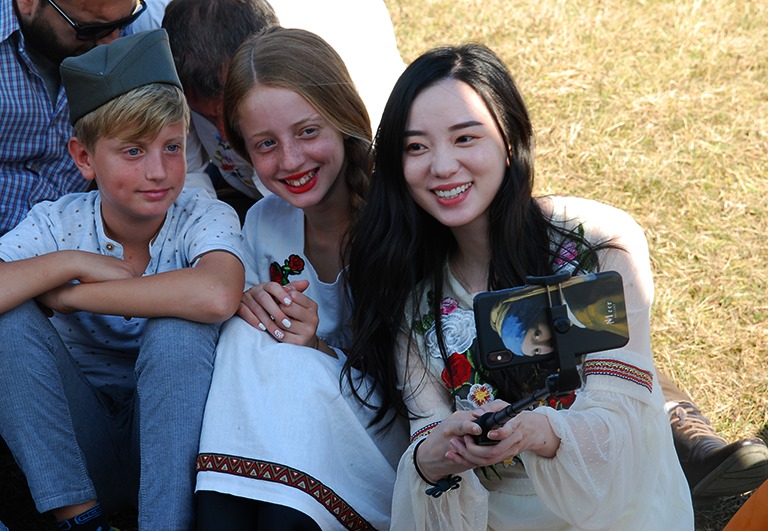
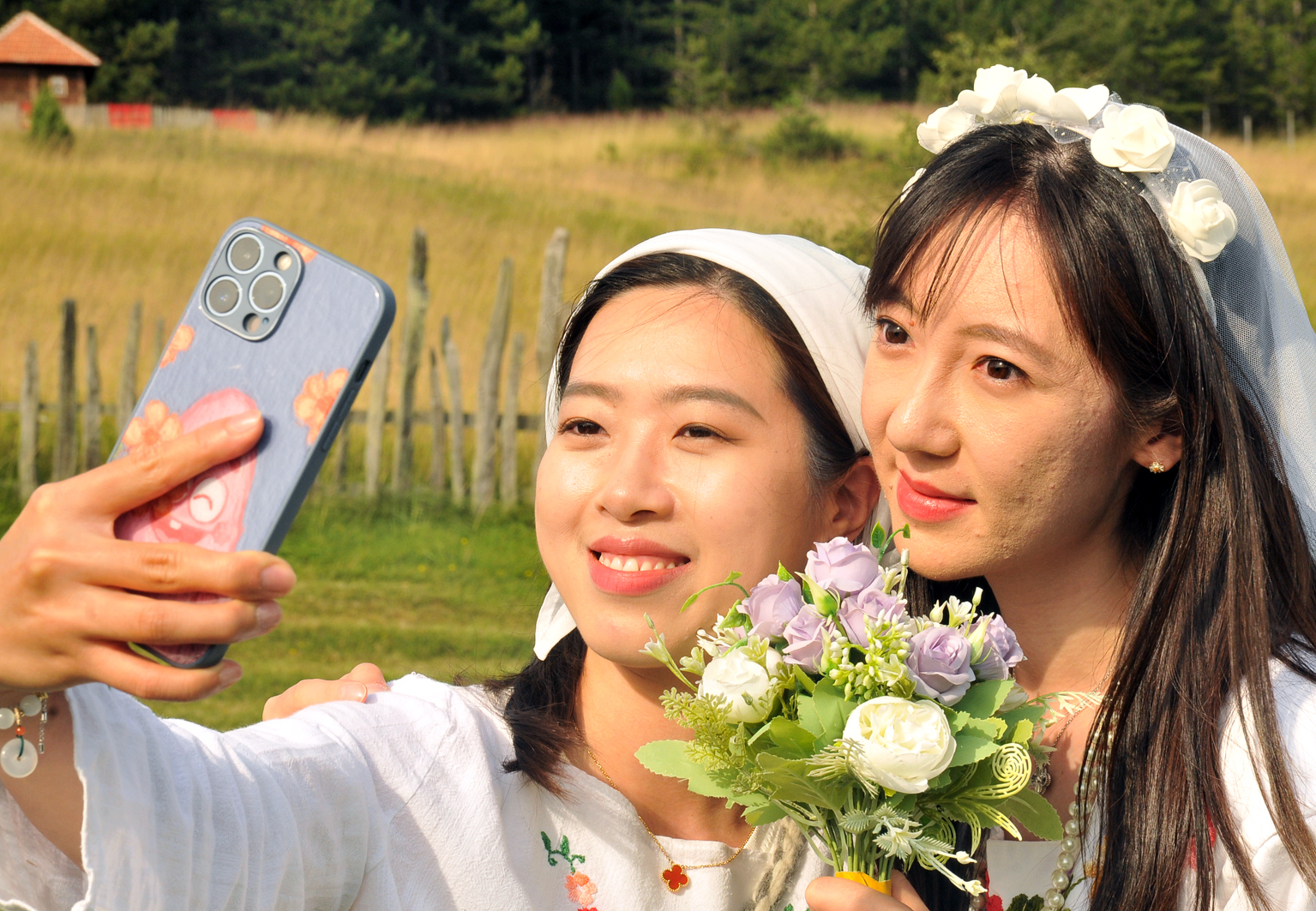
After all wedding rituals are completed, the guests remain dressed in traditional costumes, and the final part of the program begins, dedicated to photography and informal socializing. Guests take photos with the bride and groom, the Čauš, musicians, and other wedding participants—both individually and in groups—at various locations throughout the property and wedding area.
Photos and selfies are taken spontaneously, without a fixed schedule, as guests move freely, interact, and enjoy the space. This part of the program lasts a minimum of thirty minutes and may extend longer, depending on the duration of the lunch and the overall group dynamics. The ceremonial part of the wedding, including all traditional rituals, lasts approximately two hours. This is followed by a relaxed closing segment, during which guests complete the experience and create personal memories. At the end of the photography session, guests return the traditional costumes, change their clothes, and prepare for departure, bringing the program to a close.
THE PEOPLE WHO KEEP THE TRADITION ALIVE
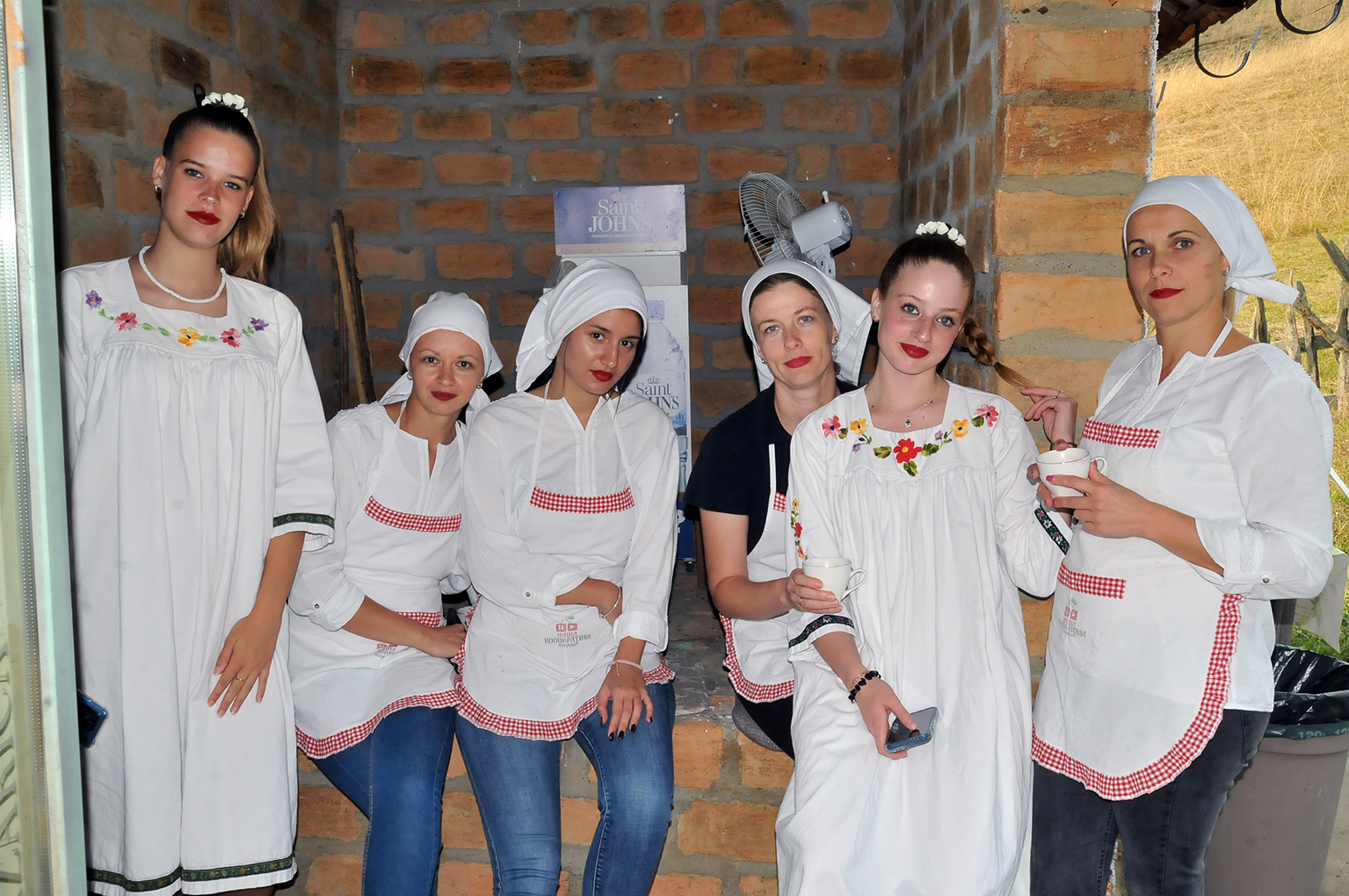
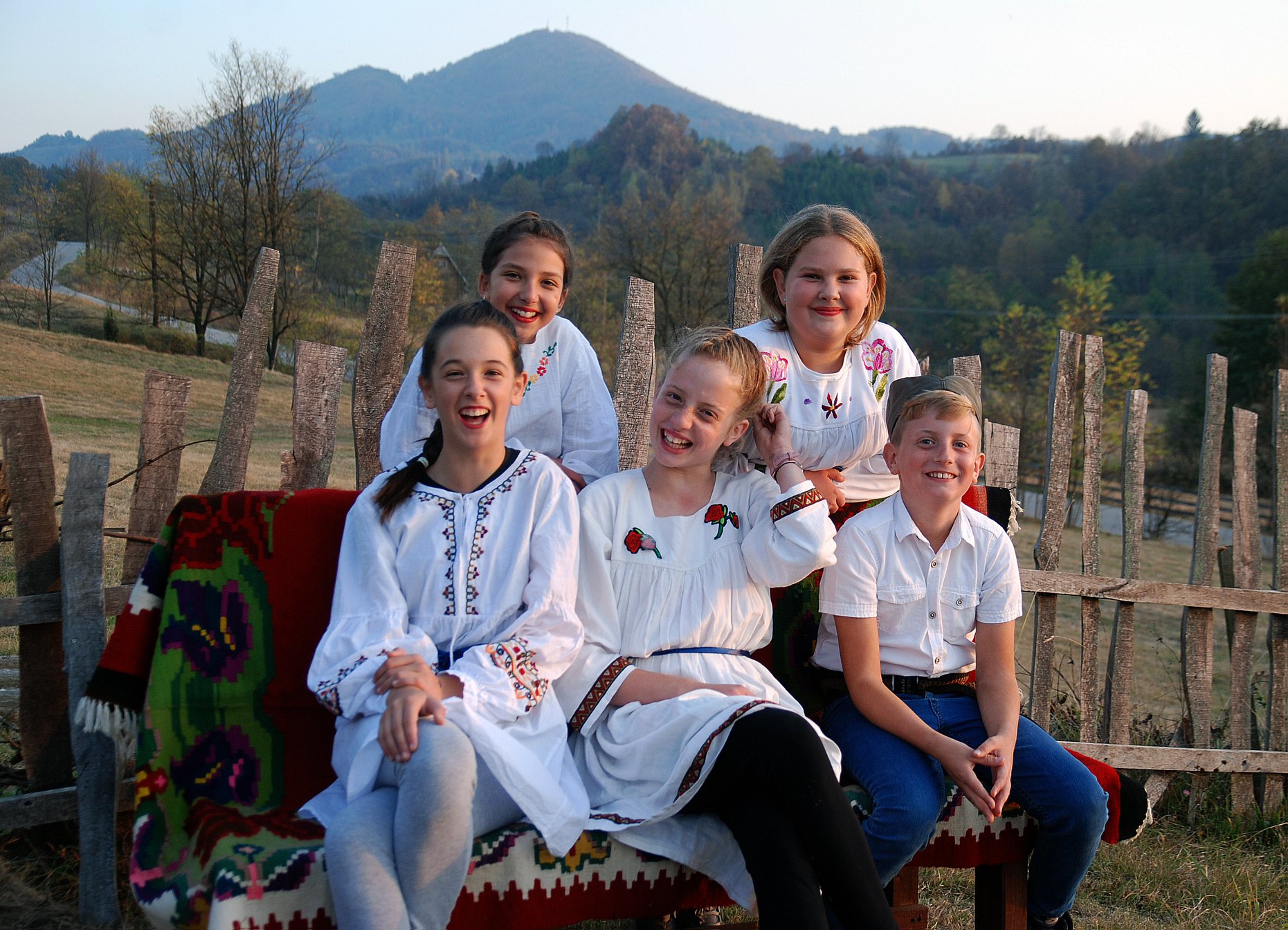
This experience would not be possible without local people who do not perform tradition — they live it. The wedding is brought to life by members of local cultural associations, authentic village characters, hosts with horses and carriages, and people who have learned these customs through generations. They are the keepers of knowledge, rhythm, and spirit, and they give the celebration its true meaning.
A special role belongs to local children and youth from cultural associations, women who prepare traditional food, and hosts who gather everyone around the table. Gostoljublje created this experience as a living, interactive way of preserving tradition — because customs cannot survive through passive displays, but only through participation, emotion, and shared moments.
Here, tourism is not the goal, but the tool. It allows international guests to truly understand local culture, while giving local children the chance to grow up with songs, dances, and rituals of their region — memories they will carry forward and pass on to future generations.
Gostoljublje is not just a place, and it is not just a tourist program. It is a way of life. Here, tourism is not something we simply “do” – we live it every day, together with our family, children, and people from our community. Through what we do, we aim to showcase the way of life of this region – the respect for family, community, work, guests, and tradition.
“Join the experience with a group of 10 or more participants – choose your bride, groom, and all the key roles, and become part of a living Serbian wedding celebration!”
Our goal is not just to display customs, but to involve people: children, youth, elders, neighbors, and friends, so that traditions remain alive and natural. It is especially important to us that children grow up with song, dance, and customs, learning about the people and culture of their region. When a child participates in a wedding, sings, dances, or helps welcome guests, they are not just learning a custom – they are building their identity. Together with the local community, cultural and artistic societies, and authentic village residents, we preserve what is most valuable: our identity, our way of life, and the values that have been passed down through generations in Serbia. We believe that tourism, when approached with respect and purpose, is one of the strongest ways to protect these values and pass them on to future generations.
Minimum group: 10 participants Optimal group: 20–30 participants Program duration: 3 hours (2 hours interactive wedding + 1 hour photo & selfie session) Price per person: Group of 10–20 participants: €85 per person Group of 20–30 participants: €65 per person Group of 30–50 participants: €55 per person Included in the price: Participation in the interactive Serbian wedding experience Traditional Serbian food Local beverages: rakija, wine, beer, juices, and water Photo session with all participants as a keepsake Note: Only the local beverages listed above are included in the package. Additional drinks are not included. Book your adventure and experience a traditional Serbian wedding! Minimum 10 participants.